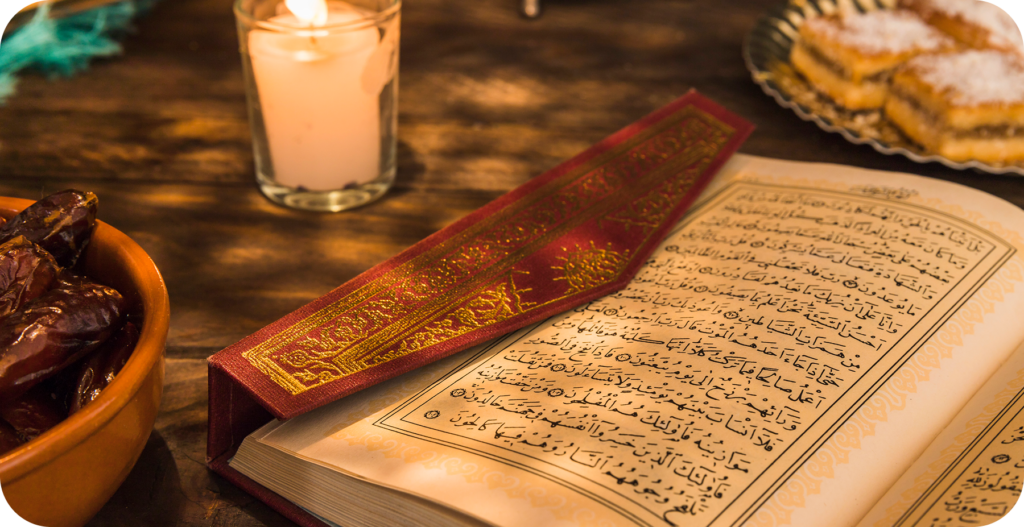

Understanding Intentions in Islam – Roohani Ilaj Center

Understanding Intentions in Islam - Roohani Ilaj Center

In Islam, every action begins in the heart with intentions in Islam. What may seem like a simple, routine act can transform into a meaningful act of worship when performed with sincere purpose. From the smallest gesture of kindness to major acts of devotion, intentions in Islam shape the spiritual value of everything we do. By understanding and practicing conscious intentions in Islam, a believer can bring purpose, mindfulness, and reward into daily life.

The Meaning of Intentions in Islam

Intentions in Islam form the foundation of every action. They guide the heart, shape behavior, and define the value of each deed. Islam teaches that actions are judged by intention because the heart decides whether a deed becomes worship or just a routine task.

When a person sets a pure intention, even simple activities like eating, working, or resting become acts of devotion. Without sincerity, even major deeds lose their reward. Understanding this principle brings clarity to our spiritual life and encourages purposeful living.

Why Intentions Matters in Every Action

Intentions give direction to the heart. They keep a believer focused and aware of their purpose. When you set your intention before any deed, your heart becomes active rather than passive. You act with meaning, not habit.

Because intentions are internal, they create a personal connection between the believer and Allah. This spiritual link turns every good intention into a source of reward, even if the action is delayed or interrupted.

The Impact of Intentions on Daily Life

Intentions shape your day. Beginning your morning with the purpose of pleasing Allah gives spiritual weight to every action. Eating becomes a way to gain strength for worship, working becomes a path to halal sustenance, and resting becomes an act of gratitude.

Life becomes lighter when you realize that reward is not limited to major acts. Every moment, when done with sincere intentions, can carry spiritual significance.

Transforming Ordinary Actions Through Intentions in Islam

With intentions in Islam, daily routines gain deeper meaning. Acts of kindness, patience, or gratitude carry more significance when performed with conscious purpose. This brings peace to the heart and increases mindfulness, as every action becomes a reminder of purpose.

Even walking, speaking, or smiling can become acts of worship through thoughtful intentions, a unique and beautiful aspect of Islamic practice.

Purifying the Heart Through Intentions in Islam

Purifying the Heart Through Intentions in Islam - Roohani Ilaj Center

Sincerity purifies the heart. When your intention is clear and for Allah alone, pride and the desire for recognition disappear. Pure intentions strengthen humility and build inner peace.

Purifying intentions also clarifies true goals, forcing reflection: Are you acting for others or for Allah? This awareness encourages honesty and spiritual clarity.

How Intentions Strengthen Your Character

Strong intentions foster discipline, gratitude, and consistency. A heart focused on pleasing Allah naturally develops patience, mindfulness, and compassion.

Intentions act as a guiding force, steering you away from harmful habits and toward positive choices. They strengthen your identity as a believer and help maintain moral integrity.

Correcting Actions Through Intentions in Islam

Intentions allow for self-correction. When your focus drifts, renewing your intention brings you back on track. Deeds performed for praise or attention may lose reward, but recommitting to sincerity restores spiritual benefit.

This makes intentions one of the most powerful tools for personal and spiritual growth.

Setting Intentions for Personal Growth

Clear intentions support spiritual and personal development. You can set goals for patience, improved prayer, helping others, or gaining knowledge. When goals start with sincere intentions, motivation and consistency follow naturally.

Intentions turn long-term efforts into acts of worship, bringing barakah and ease to every endeavor.

The Habit of Renewing Intentions Daily

Daily renewal of intentions strengthens the heart and keeps worship meaningful. Life distractions can dull focus, but consciously renewing your intentions ensures that each day is lived with purpose.

This habit prevents autopilot living, making every moment a conscious choice of faith.

Final Reflections: The Power of a Pure Heart

Sincere intentions elevate the believer. They transform ordinary days into meaningful ones, fill life with purpose, and deepen the connection with Allah.

A pure heart amplifies the impact of your deeds, strengthens character, and nurtures spiritual growth. Intentions are a gift that turn everyday life into a journey of faith.

Roohani Ilaj Center: Spiritual Help You Can Trust

If you face spiritual challenges or need guidance, Roohani Ilaj Center is here to assist. Under the guidance of Hafiz Hanif, the center offers trusted support for online Istikhara, spiritual consultation, and solutions for black magic or negative influences. Contact roohaniilajcenter.com for respectful, effective spiritual assistance. Your comfort and spiritual safety are always the priority.

Share the Post:

Related Posts

Roohani Ilaj Center: Authentic Spiritual Healing

Roohani Ilaj Center: Authentic Spiritual Healing

Spiritual problems can quietly disrupt peace, health, relationships, and daily life. Many people suffer silently, unable to explain what they feel or why things keep going wrong. The Roohani Ilaj Center exists to guide people through such unseen struggles using authentic Islamic spiritual solutions. We help individuals facing issues like black magic, evil eye, spiritual anxiety, and unexplained hardships through consultation, prayer-based guidance, and online istikhara.

We created this platform to offer clarity, faith-based reassurance, and sincere help without fear, superstition, or false practices.

About Roohani Ilaj Center

The Roohani Ilaj Center provides Islamic spiritual guidance to help people reconnect with peace through faith. Rather than promoting fear, we emphasize understanding, patience, and reliance on Allah. Every case is approached with sincerity, respect for privacy, and a sense of responsibility.

People reach out to us when worldly solutions fail or when emotional and spiritual burdens feel overwhelming. Our role is to guide, not exploit.

Spiritual Problems Roohani Ilaj Center Help With

Many spiritual issues share similar symptoms, yet each person’s situation is unique.

At the roohani ilaj center, we commonly assist with:

• Effects of black magic
• Evil eye (nazar)
• Unexplained fear or restlessness
• Sudden loss of peace or focus
• Repeated obstacles in life matter
• Spiritual confusion or heaviness

We address these problems through consultation and authentic Islamic guidance, not shortcuts or fabricated remedies.

Islamic Approach to Spiritual Healing

Islam teaches that one attains true spiritual healing through sincerity, patience, and remembrance. The roohani ilaj center follows a Shariah-compliant approach. There are no amulets, charms, or misleading claims.

People seek healing through supplication, reflection, corrective guidance, and by strengthening their relationship with Allah. The process restores faith gradually, never by force. This method protects individuals from khurafat while guiding them toward spiritual balance.

Online Istikhara for Guidance

Many people feel stuck when making decisions or understanding ongoing difficulties. Through online istikhara, the roohani ilaj center helps individuals seek clarity regarding their situations.
Istikhara is not fortune-telling. It is a prayer for guidance when the heart feels uncertain.

People request istikhara for matters such as marriage concerns, ongoing hardships, spiritual confusion, or unexplained disturbances. We share guidance responsibly and with humility.

Role of Hafiz Hanif

Hafiz Hanif - Roohani Ilaj Center

Hafiz Hanif is associated with the Roohani Ilaj Center and offers spiritual guidance rooted in Islamic principles. His approach emphasizes patience, sincerity, and trust in Allah rather than fear or dependency. He believes spiritual healing should strengthen faith, not weaken it.

Through consultation and istikhara-based guidance, he assists people seeking clarity, peace, and understanding during difficult spiritual phases.

Why People Trust Roohani Ilaj Center?

Trust is essential in spiritual matters.

People turn to the roohani ilaj center because:

• Guidance is faith-based, not fear-based
• Privacy and respect are maintained
• No false promises are made
• Shariah boundaries are respected
• Online support is available globally

Our goal is not dependency, but healing and inner strength.

Online Support for Global Reach

Spiritual distress has no borders. The center offers online consultation and istikhara, allowing people from different countries to seek guidance without physical travel. This accessibility ensures help reaches those who need it most, wherever they are.

When Should You Seek Spiritual Consultation

You should consider reaching out if:

• Problems persist without a clear cause
• Anxiety or fear feels unexplained
• You feel spiritually disconnected
• Repeated obstacles appear suddenly
• Inner peace feels lost

Seeking help is not a weakness. It is a step toward clarity.

Final Thoughts

Spiritual problems are real, but so is guidance. The roohani ilaj center exists to help individuals navigate unseen struggles with faith, balance, and sincerity. With online istikhara, consultation, and guidance by Hafiz Hanif, people find reassurance without fear or exploitation. Healing begins when trust replaces confusion, and faith replaces doubt.

The Journey of the Qur’an: How It Was Preserved? - Roohani Ilaj Center

The Journey of the Qur’an: How It Was Preserved?

The Qur’an is not simply a book. It is the final revelation from Allah, sent as guidance for all humanity. Although millions recite it daily, many Muslims do not fully understand The Journey of the Qur’an, how it came down, how it was preserved, and how it was compiled into the Mushaf we read today. Learning this journey strengthens faith, increases appreciation for divine guidance, and builds a deeper spiritual connection with Allah.

This detailed guide explains every stage of The Journey of the Qur’an, using simple language, short sentences, active voice, and strong transitions.

Beginning of the Journey of the Qur’an: The First Revelation

The Journey of the Qur’an began in the Cave of Hira. Prophet Muhammad ﷺ often stayed there to meditate, reflect, and seek the truth. During one of these nights, everything changed forever. Angel Jibreel عليه السلام appeared with the first divine command: “Iqra” (Read).

Even though the Prophet ﷺ could not read, revelation flowed directly into his heart. These first verses from Surah Al-Alaq marked the start of a mission that would change the world. From that moment, revelation continued for 23 years, guiding the Prophet ﷺ and forming the foundation of Islam.

How Revelation Continued?

Revelation did not come at once. Instead, it came in stages. This gradual revelation made learning easier and made the Qur’an more powerful. It answered questions, solved conflicts, and guided believers during real moments of life. The verses came:

  • during battles,
  • during peace,
  • during loss,
  • during victory,
  • during personal moments,
  • during public events.

Each verse arrived with perfect timing. Every word carried divine precision. This structured flow allowed Muslims to memorize and implement each command step by step.

The Role of Angel Jibreel in The Journey of the Qur’an

Angel Jibreel عليه السلام delivered every verse to the Prophet . He recited with clarity, ensuring the words stayed unchanged. He also reviewed the Qur’an with the Prophet ﷺ every Ramadan. During the final year of the Prophet’s life, he reviewed it twice. This final review is known as al-‘Ardah al-Akhirah, and it confirmed the complete order of the Qur’an.

Because of this process, believers today recite the Qur’an exactly as it was taught to the Prophet ﷺ.

Memorization: Heart-Based Preservation

One of the most beautiful parts of The Journey of the Qur’an is its preservation in the hearts of believers. The Arabs had strong memories. As verses were revealed, the Prophet ﷺ taught them to his companions. They memorized instantly. Some companions memorized entire surahs on the same day they heard them.

Memorization became a lifelong practice. Even today, millions of Muslims memorize the entire Qur’an. No other book on earth has such preservation.

Written Preservation in The Journey of the Qur’an

Besides memorization, the Qur’an was also written. The Prophet ﷺ had several appointed scribes. They wrote revealed verses on:

  • leather pieces,
  • bones,
  • flat stones,
  • palm leaves.

He instructed them where each verse belonged. Not a single word was placed out of order. This dual method of memorization and writing ensured complete accuracy.

Compilation After the Prophet ﷺ: A Major Step in The Journey

After the Prophet ﷺ passed away, a major battle caused the deaths of many memorizers. Umar ibn Al-Khattab رضي الله عنه feared the loss of Qur’an reciters. He advised Abu Bakr رضي الله عنه to compile the Qur’an into one book. Abu Bakr agreed and assigned Zaid ibn Thabit رضي الله عنه to lead the project.

Zaid gathered every written piece and verified every verse using two witnesses. Nothing entered the Mushaf except what was proven through both memory and writing.

This Mushaf remained with:

  • Abu Bakr,
  • Then Umar,
  • Then Hafsa, the daughter of Umar.

Uthman’s Contribution: Standardizing The Journey of the Qur’an

As Islam spread to other regions, differences in dialects were confused. People recited in various Qur’anic dialects allowed during early Islam. During Uthman’s time, these differences created fear of division. Uthman رضي الله عنه resolved this by producing one unified Mushaf in the Qurayshi dialect, the dialect in which the Qur’an originally came.

He produced several copies and sent them across the Muslim world. This became the standard Qur’an recited today.

How did Allah protect the Journey of the Qur’an?

How did Allah protect the Journey of the Qur’an? - Roohani Ilaj Center

Allah promised to protect the Qur’an forever:

إِنَّا نَحۡنُ نَزَّلۡنَا ٱلذِّكۡرَ وَإِنَّا لَهُۥ لَحَٰفِظُونَ

“Indeed, it is We who sent down the Qur’an and indeed, We will be its guardian.” Surah Al-Hijr (15:9)

This divine protection appears in several ways:

  • perfect memorization across generations,
  • written manuscripts,
  • global uniformity,
  • rules of Tajweed,
  • preserved recitation styles,
  • millions of teachers who pass it forward.

Not a single letter has changed in more than 1,400 years.

The Journey of the Qur’an Into the Modern World

Today, The Journey of the Qur’an continues in new forms:

  • mobile apps,
  • digital Mushafs,
  • international competitions,
  • global recitation styles,
  • Islamic schools,
  • online learning platforms.

Yet, the message remains unchanged. Every Muslim reads the same Qur’an from Makkah to Pakistan, from Africa to Europe.

Technology changed, but revelation stayed pure.

Why Understanding The Journey of the Qur’an Strengthens Faith?

When Muslims learn The Journey of the Qur’an, they appreciate it more. They understand that Allah preserved every letter with unmatched precision. They also feel comfort in knowing their worship stands on pure and authentic guidance.

This understanding increases:

  • love for Allah,
  • love for the Prophet ﷺ,
  • love for the Qur’an,
  • commitment to recitation,
  • dedication to memorization,
  • motivation to implement its teachings.

The Qur’an becomes more than a book; it becomes a life companion.

Roohani Ilaj Center – Seek Guidance & Spiritual Healing

If you face spiritual problems, unexplained issues, or need clarity, reach out to Hafiz Hanif at Roohani Ilaj Center. Whether you need online istikhara, protection from black magic, or spiritual consultation, expert guidance is available. Do not carry stress alone. Contact Roohani Ilaj Center for reliable spiritual support rooted in authentic Islamic principles.

Benefits of Salah: Why Every Muslim Should Prioritize Prayer - Roohani Ilaj Center

Benefits of Salah: Why Every Muslim Should Prioritize Prayer

Salah is more than a daily ritual; it is a complete system that shapes a Muslim’s spiritual, emotional, and physical well-being. When you understand the benefits of salah, you realize that these five daily prayers are not interruptions to your day, but the structure that helps you live it better.

Spiritual Benefits of Salah

Salah reconnects you with Allah, brings clarity, and strengthens your faith. Standing in prayer softens the heart, removes spiritual heaviness, and reminds you of your purpose. Regular salah keeps you away from sins and brings barakah into your daily life.

Mental & Emotional Benefits of Salah

One of the most powerful benefits of salah is mental peace. The moment you say “Allahu Akbar,” your mind slows down. Stress reduces. Anxiety lightens. Your focus shifts from worries to worship. Scientific studies also show that the posture of sujood increases blood flow to the brain, improving calmness and emotional stability.

Physical Benefits of Salah

Salah involves standing, bowing, sitting, and prostrating, a natural full-body movement routine done five times a day. These movements improve posture, reduce back pain, increase flexibility, and boost circulation. Among the benefits of salah is that it keeps the body active and helps maintain physical energy throughout the day.

Discipline & Routine

Praying on time builds discipline. It trains your mind to stay organized, responsible, and mindful of your time. This discipline reflects in your studies, work, family life, and character.

Inner Peace & Detachment From Problems

One of the deep benefits is emotional detachment from negative thoughts. When you stand before Allah, your problems feel smaller. You remember that nothing is impossible for Him. Salah gives you emotional strength and helps you face life with patience and positivity.

Strengthening Character

Salah teaches humility, gratitude, patience, and consistency. A person who regularly prays naturally develops better manners, a softer heart, and stronger moral values.

Conclusion

The benefits of salah touch every part of your life, spiritual, emotional, physical, and personal. Salah is not just an act of worship; it is a complete system designed for your well-being. When you protect your prayer, your prayer protects you.

If you are facing any spiritual challenges, emotional heaviness, unexplained difficulties, or feel the need for personal guidance, you can reach out to the Roohani Ilaj Center. Their team offers spiritual consultation and support to help you restore balance, clarity, and peace in your life.

Wudu Steps: A Guide to Purification - Roohani Ilaj Center

Wudu Steps: A Guide to Purification

Wudu is more than a physical act. It prepares the heart for worship and invites spiritual clarity. Every believer needs it, yet many forget its depth. This guide explains the complete Wudu steps along with their virtues, making the process easy for anyone to follow.

Understanding the Importance of Wudu

Wudu creates a state of purity before salah. Although the routine seems simple, it guards the believer’s spiritual state. Through it, the heart feels calm, focused, and ready to worship. Many people rush Wudu, but proper attention brings deeper peace.

Wudu Steps Explained Simply

The proper Wudu steps must be followed in order. This ensures the Wudu remains valid and complete. Each step connects the body with spiritual intention.

1. Make Your Intention

Begin with a sincere intention. It is done in the heart. No verbal statement is required. Your only aim is purification for worship.

2. Say Bismillah

Start with the name of Allah. This brings blessing into every action.

3. Wash Your Hands

Wash both hands up to the wrists three times. Rub thoroughly between the fingers.

4. Rinse Your Mouth

Take water into the mouth and rinse it well. Repeat this three times.

5. Clean Your Nose

Inhale water lightly into the nose and blow it out. Do this three times.

6. Wash Your Face

Wash the entire face from forehead to chin and from ear to ear. Repeat this thrice.

7. Wash Your Arms

Wash your right arm up to the elbows three times, then wash your left arm. Ensure water reaches the full area.

8. Wipe the Head

Wet your hands and wipe the entire head once. This completes an essential step of Wudu.

9. Clean the Ears

Wipe inside and behind the ears using slightly wet fingers.

10. Wash Your Feet

Wash the right foot up to the ankles three times. Then wash the left foot. Rub between the toes.

When these Wudu steps are followed properly, the worship becomes more focused and sincere.

Spiritual Benefits of Wudu Steps

Although Wudu is physical, its effects reach the heart. It washes away stress, rush, and distraction. Moreover, it brings the believer closer to Allah. Even during busy days, Wudu resets the mind and restores inner calm.

Preparing Mentally for Wudu

Wudu - Roohani Ilaj Center

Even before Wudu begins, a calm mindset helps. Sit quietly for a moment. Slow your breathing. Focus on your purpose. These small habits increase spiritual concentration.

Wudu Steps for Better Khushu in Salah

Wudu steps done with attention increase presence in prayer. Since Wudu softens the heart, salah becomes deeper. Slow movements, steady breathing, and sincere intention help the believer stay mindful. This creates a powerful connection with Allah.

Common Mistakes to Avoid

Many make small mistakes that break their Wudu without noticing. Forgetting order, missing small areas, or rushing through steps are common issues. However, careful attention solves these instantly.

Maintaining Purity Outside Salah

Purity is not limited to prayer. Even small acts during the day require attention. Staying pure keeps the heart awake and prevents spiritual heaviness. Because of this, Wudu becomes a habit that supports daily life.

How Wudu Strengthens Daily Routine?

Although quick, Wudu refreshes the body and clears the mind. It increases concentration and reduces sadness. With regular practice, believers feel calmer throughout the day. Even difficult tasks feel lighter after Wudu.

Rohani Ilaj Center: Your Trusted Spiritual Support

If you face spiritual challenges, unexplained disturbances, or emotional heaviness, you do not need to suffer alone. Hafiz Hanif at Rohani Ilaj Center provides authentic spiritual consultation, online Istikhara, and guidance rooted in Quran and Sunnah. Many people find clarity and relief through proper spiritual assessment. You can reach out anytime for trustworthy help with black magic issues, ruqyah support, or any personal concern.

Stories of Prophetic Leadership in Islam: Lessons for Modern Life - Roohani Ilaj Center

Stories of Prophetic Leadership in Islam: Lessons for Modern Life

Leadership shapes nations, families, and communities. Yet modern leadership often focuses on power, control, and personal gain. In contrast, the prophets led with humility, compassion, and unwavering justice. Their stories hold timeless lessons for everyone seeking wisdom, whether leading a team, a household, or their own life. This blog explores Prophetic leadership in Islam and extracts practical lessons you can apply every day.

Understanding Prophetic Leadership in Islam

Prophetic leadership in Islam was never about authority alone. Instead, it was grounded in trust, sincerity, patience, and service. The prophets guided people through wisdom and mercy, not force. Although they carried immense responsibility, they remained gentle with followers and firm against injustice.

Moreover, they understood human nature. They listened deeply, advised with kindness, and made decisions rooted in divine guidance. Their approach remains the highest example of ethical leadership.

Leadership Through Compassion

One of the strongest principles of prophetic leadership was compassion. The prophets recognized emotional struggles, fears, and weaknesses in people. They guided followers patiently, even when facing rejection.

This compassion created safety. People felt respected and valued, so they listened more willingly. Today, compassionate leadership builds stronger workplaces, healthier families, and more loyal communities.

Leaders who show empathy inspire trust, and trust forms the foundation of influence.

Courage and Steadiness Under Pressure

Prophets faced intense challenges public criticism, social rejection, threats, and hardship. Yet they remained steady. Their courage didn’t come from pride. Instead, it came from their certainty in Allah and their clarity of purpose.

This offers a powerful modern lesson:

Real leadership requires calmness during chaos. Leaders must think clearly, act wisely, and avoid emotional impulsiveness. When situations become difficult, your response shapes the direction of everything around you.

Justice and Fairness in All Decisions

Prophetic leadership in Islam placed great importance on justice. The prophets treated people fairly, regardless of wealth, influence, or family background. They corrected wrongs immediately and ensured no one felt ignored or oppressed.

In modern environments, fairness builds trust. Leaders who stand for justice even when uncomfortable earn deep respect. Whether in workplaces or homes, justice prevents conflict and establishes long-term harmony.

Leading by Example of Prophetic Leadership in Islam

Leading by Example of Prophetic Leadership in Islam - Roohani Ilaj Center

Prophets never demanded what they did not practice. Their lives were open examples of honesty, discipline, and humility. People followed them because their actions spoke louder than instructions.

Today, leadership often loses credibility when words and actions don’t match. However, prophetic leadership teaches that true influence comes from personal integrity. When you embody the values you expect from others, people naturally follow your direction.

Effective Communication With Wisdom

Prophets communicated with clarity, kindness, and depth. They never used harsh language unnecessarily. Instead, they spoke in a way that touched hearts and guided minds. They adapted their tone depending on the situation and the person.

Modern leaders must also learn wise communication. Clear, respectful conversations prevent misunderstandings. Thoughtful words motivate teams. Soft speech calms emotional situations. Communication can build or break trust, and prophets mastered this art beautifully.

Prophetic Leadership in Islam: Strategic Thinking and Planning

Even though prophets trusted Allah, they still planned carefully. They analyzed situations, prepared strategies, and acted with foresight. Their trust didn’t replace planning; it strengthened it.

For modern life, this means leaders should trust divine guidance while also using intelligence, skills, and strategy. Success requires both spiritual grounding and practical planning.

Patience and Emotional Control

Prophets demonstrated deep patience. They handled insults, rejection, and hardship without losing control. Their patience was not weakness; it was disciplined strength.

Because of this, their decisions remained wise and stable. Emotional control allowed them to lead entire nations with clarity.

In modern life, patience remains essential. Leaders regularly face pressure, difficult people, and unexpected challenges. A calm leader creates calmness in the environment. Likewise, a reactive leader creates chaos.

Prophetic Leadership in Islam: Building Strong Communities

Prophetic leadership in Islam emphasized unity and community well-being. Prophets strengthened relationships, encouraged cooperation, and ensured no one felt alone. They established systems of support that uplifted the entire society.

This teaches us that great leadership is not self-centered. It focuses on building others, strengthening bonds, and creating harmony. Whether in teams or families, leaders shape the emotional environment.

Humility and Avoiding Arrogance

Although prophets carried the highest honor, they remained humble. They ate simple food, treated everyone with respect, and avoided pride. Their humility made their leadership more powerful, not weaker.

In modern leadership, ego destroys teams. Pride blinds leaders from learning and improving. However, humility invites growth, feedback, and wisdom. It strengthens relationships and earns genuine admiration.

Empowering Others and Developing Their Skills

Empowering Others and Developing Their Skills - Roohani Ilaj Center

Prophets didn’t dominate followers. Instead, they helped people grow. They assigned responsibilities, nurtured talents, and encouraged independence. Their leadership created generations of strong, wise individuals.

Today, effective leaders develop the people around them. They teach, mentor, guide, and inspire confidence. Empowering others multiplies strength, while controlling others limits progress.

Balancing Mercy With Discipline

Prophetic leadership in Islam showed a perfect balance. Prophets were gentle, but not weak. They forgave easily, yet they maintained discipline when necessary. This balance ensured people remained respectful, motivated, and morally grounded.

In modern life, overly strict leadership creates fear. Excessive softness creates disorder. However, a balanced leader maintains harmony and ensures long-term respect.

Spiritual Strength as the Core of Leadership

At the heart of prophetic leadership was strong faith. The prophets connected to Allah through worship, remembrance, and reflection. This spiritual grounding gave them calmness, confidence, and clarity.

Modern life often drains emotional energy. Therefore, spiritual grounding provides stability and purpose. Leaders who nurture their spiritual hearts make wiser decisions and stay emotionally strong.

Transforming Your Life With Prophetic Leadership in Islam

When you apply prophetic leadership qualities in daily life, everything changes:

  • Your relationships improve.
  • Your emotional reactions become balanced.
  • Your decisions carry wisdom.
  • People trust you more.
  • Your sense of purpose grows deeper.

Prophetic leadership in Islam offers a blueprint for modern success. It guides your character, your decisions, and your long-term growth.

Rohani Ilaj Center: Spiritual Support With Hafiz Hanif

If you are facing emotional challenges, spiritual confusion, or unseen difficulties, Rohani Ilaj Center provides trusted guidance and support. Under the direction of Hafiz Hanif, thousands receive help through online istikhara, personalized spiritual consultation, and assistance for issues like black magic and negative energy.

Whenever life feels overwhelming, you do not need to face it alone.
Contact Rohani Ilaj Center for reliable, faith-based support and spiritual clarity.

The Strength of Tawakkul in Islam - Roohani Ilaj Center

The Strength of Tawakkul in Islam

Trust is powerful. When placed in the right source, it changes everything. In Islam, this trust has a name: Tawakkul. It shifts your mindset, stabilizes your emotions, and anchors your heart. Although life feels unpredictable at times, Tawakkul pulls you back into certainty. It reminds you that nothing is out of Allah’s control.

This blog explains how Tawakkul in Islam works, why it matters, and how believers can strengthen it. The goal is to simplify something deeply spiritual so anyone can apply it in daily life.

Understanding the Essence of Tawakkul in Islam

Tawakkul in Islam means relying on Allah while still taking action. It’s not passive. It doesn’t mean sitting still and wishing for miracles. Instead, it combines effort with trust. A believer works sincerely, yet the heart stays tied to Allah, not the results.

Because life often turns unpredictable, Tawakkul becomes essential. Jobs change, people disappoint, plans fail, and hardship arrives suddenly. However, with Tawakkul, you stay calm. You understand that what reaches you was written for you, and what misses you was never meant for you.

Once you accept this, your heart stops fighting reality. It learns to rest in divine wisdom.

Why Tawakkul in Islam Brings Inner Peace?

Tawakkul doesn’t remove challenges, but it softens their impact. It protects a believer from the kind of stress that destroys peace. Because when you trust Allah, your heart stops wrestling with outcomes.

You begin saying:

  • “My job is effort.”
  • “The result is Allah’s domain.”
  • “Whatever happens carries wisdom.”

This mindset makes you stronger. It reduces overthinking. It allows you to sleep peacefully, even during tests. And although the world feels chaotic, Tawakkul keeps your inner world steady.

How Tawakkul Reduces Fear and Anxiety?

Most fear comes from uncertainty. People fear losing money, not finding the right partner, failing exams, facing illness, or being alone. However, Tawakkul in Islam teaches that nothing happens without purpose. Even loss carries hidden mercy.

When you internalize this, fear weakens. Anxiety decreases. You understand that the outcome is never random. Although effort matters, Allah’s plan is always superior. Therefore, you move through life with a calmer heart.

Balancing Effort and Trust

Islam never teaches blind dependence. Instead, it teaches action supported by reliance. A farmer must plant seeds. A student must study. A parent must guide children. After these steps, Tawakkul completes the process.

This balance keeps your life organized and your heart confident. Because when you work hard and trust deeply, you become unstoppable. Even setbacks no longer break you. They strengthen you instead.

Signs of Strong Tawakkul

Although Tawakkul is an inner experience, it shows outwardly. Some signs include:

1. Calmness During Hardship

Your heart stays steady even when situations become difficult. You feel controlled rather than overwhelmed.

2. Patience When Results Are Delayed

You continue working without losing hope. You stop rushing the decree.

3. Emotional Stability

You don’t panic quickly. You breathe before reacting.

4. Reduced Attachment to People

You appreciate people but don’t depend on them fully.

Gratitude During Ease and Tests

Your heart sees blessings even when life feels heavy.

These signs develop gradually. However, once they appear, your character transforms beautifully.

How to Strengthen Tawakkul in Islam Daily?

Developing Tawakkul takes intention. Here are practical ways to build it:

Shift Your Focus to Allah, Not Outcomes

Continue working, but stop obsessing about the result. You will feel relieved.

Remember Past Situations Allah Resolved

Look back at moments you thought would break you. Yet you survived. This strengthens trust.

Practice Daily Dhikr

Remembrance purifies anxiety. It pulls you back into reliance.

Reduce Complaints

Every complaint weakens trust. Every expression of gratitude strengthens it.

Make Dua Consistently

Dua trains the heart to depend on Allah, not on personal strength.

Release the Need to Control Everything

Let things flow according to divine wisdom. You will feel lighter.

These habits slowly build the foundation of Tawakkul.

The Role of Tawakkul in Relationships

Tawakkul protects you from heartbreak. Although you care deeply for people, you understand that loyalty, love, and support come from Allah alone. Because of this, you stop expecting perfection from humans. You give your best without losing yourself.

This mindset prevents disappointment. You remain kind, but you stay grounded. You love people for Allah’s sake, not because they control your happiness.

Tawakkul and Decision Making

Life is full of choices, and many bring confusion. With Tawakkul in Islam, decisions become easier. You research, think, consult, and pray. After taking steps, you move forward confidently, believing Allah will protect you from harm.

Even if the decision leads to hardship, you accept it with maturity. Because you know Allah does not burden you without purpose.

Tawakkul and Success

How Tawakkul in Islam Shapes Your Future? - Roohani Ilaj Center

True success is a gift. A believer works with excellence but understands that results come from Allah. This humility protects you from arrogance. It also protects you from hopelessness when failure comes.

With Tawakkul in Islam, you understand that success delayed is not success denied. It is success redesigned.

How Tawakkul in Islam Shapes Your Future?

A heart with strong Tawakkul becomes unshakeable. You stop fearing tests. You stop worrying about the future. And although life stays unpredictable, your reaction changes.

You begin to see beauty in every situation. You understand that the story is written by the most Merciful. Even painful chapters carry hidden goodness.

And because you trust deeply, your life becomes calmer, easier, and more meaningful.

Rohani Ilaj Center: Your Source of Spiritual Help With Hafiz Hanif

If you struggle with anxiety, spiritual weakness, black magic, or life confusion, Rohani Ilaj Center is here for you. Under the guidance of Hafiz Hanif, thousands find clarity, relief, and healing. You can reach us for online istikhara, spiritual consultation, or treatment for unseen issues.


When life becomes heavy, the right spiritual guidance can bring comfort. Contact us today and take the first step toward healing and peace.

Need Help?
error: Content is protected !!